
Why Are Citrus Notes So Often Used as Perfume Top Notes?
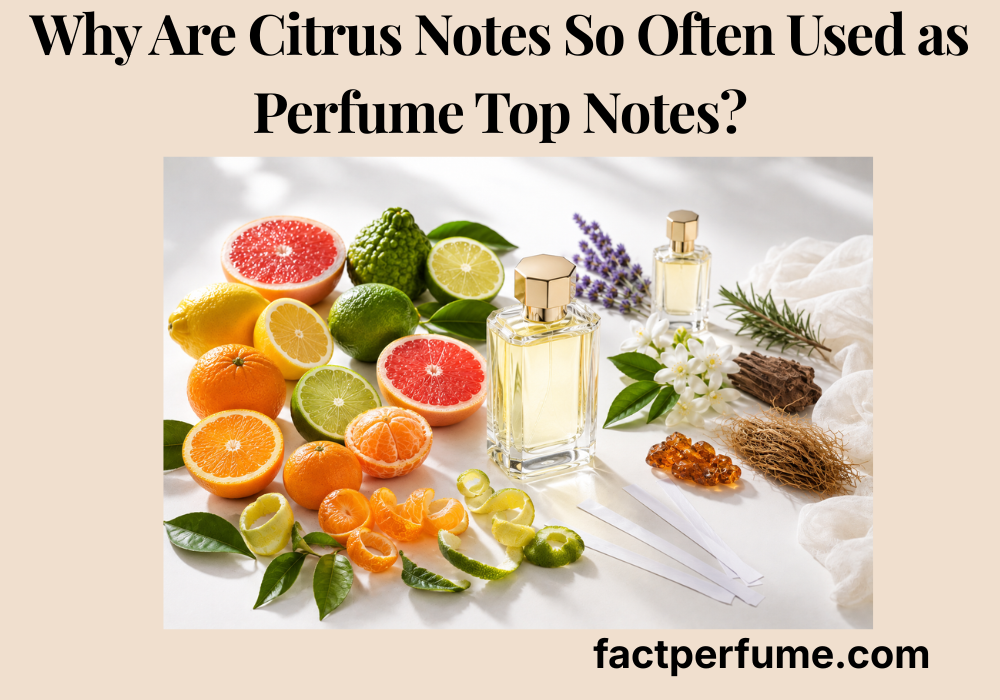
Why Are Citrus Notes So Often Used as Perfume Top Notes? Citrus notes are often used in perfume openings because their bright, zesty, tart, juicy, bitter, green, and peel-like effects can create an immediate and recognisable first impression. Bergamot, lemon, lime, mandarin, orange, and grapefruit are common examples of Citrus directions that can make the […]
What Other Notes Pair Well with Citrus in a Perfume?
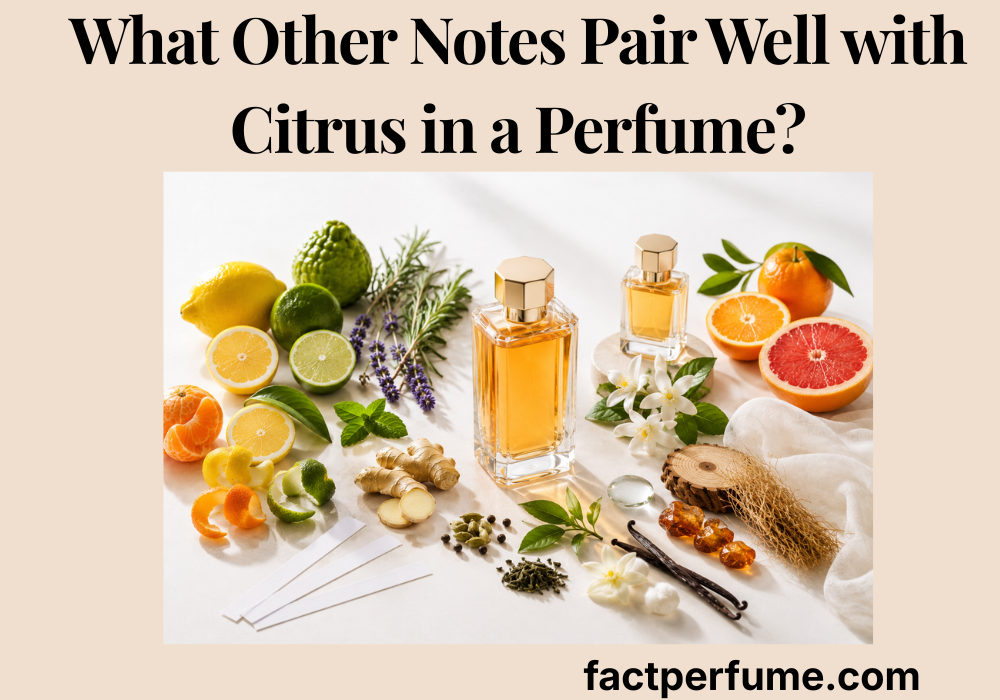
What Other Notes Pair Well with Citrus in a Perfume? Citrus pairs well with aromatic herbs, florals, spices, green and tea-like effects, marine or mineral accords, woods, musks, ambery or resinous structures, and sweet or gourmand materials. Each pairing changes the Citrus in a different way, making the overall perfume more herbal, floral, sparkling, green, […]
How Do Perfumers Use Neroli to Build Floral Brightness in Citrus Perfumes?
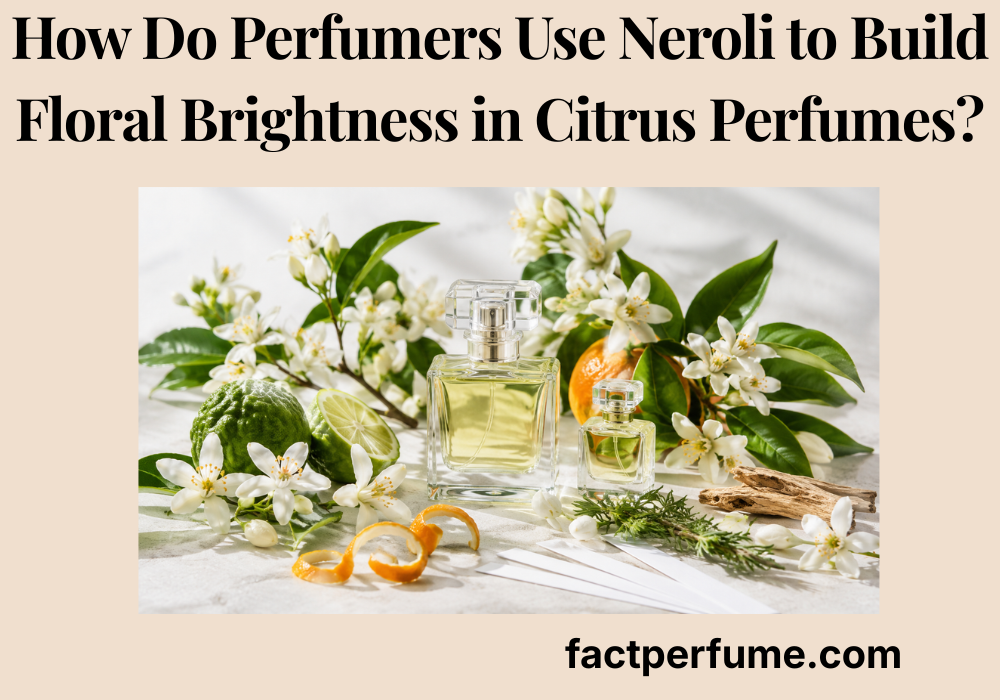
How Do Perfumers Use Neroli to Build Floral Brightness in Citrus Perfumes? Neroli can build floral brightness in Citrus perfumes because its distilled Bitter Orange blossom character combines fresh floral, green, sweet, and Citrus-associated facets. Perfumers can use those overlapping qualities to reinforce brightness, introduce floral identity, and connect peel-like Citrus effects with floral, green, […]
What Olfactory Roles Do Bergamot, Lime, and Petitgrain Typically Play in Citrus-Based Perfumes?
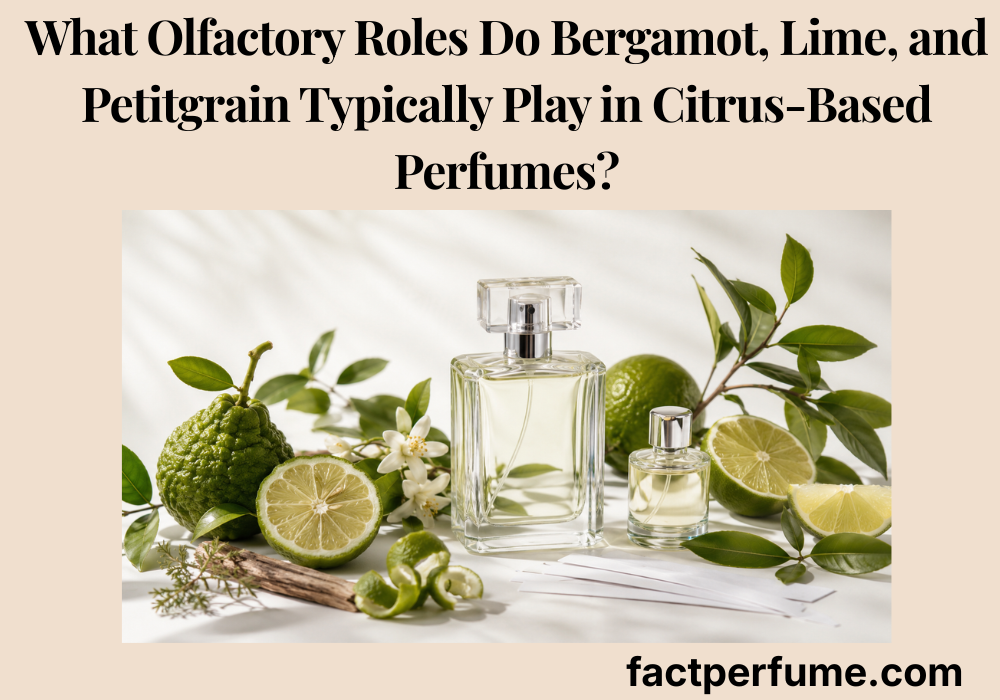
What Olfactory Roles Do Bergamot, Lime, and Petitgrain Typically Play in Citrus-Based Perfumes? Bergamot, Lime, and Petitgrain can all contribute Citrus character, but they perform different sensory functions. Bergamot can bring zesty brightness with floral, herbal, and softly bitter complexity; Lime can provide vivid tart, juicy, green, or herbaceous Citrus effects; and Petitgrain can introduce […]
What Are the Most Common Citrus Notes in Perfume?
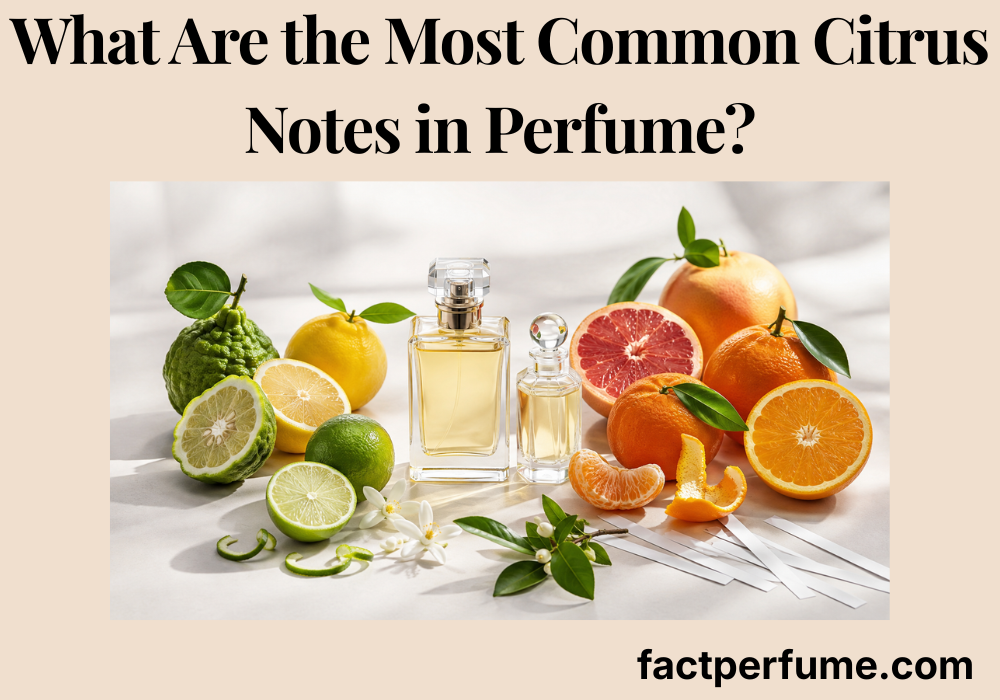
What Are the Most Common Citrus Notes in Perfume? Bergamot, Lemon, Lime, Mandarin, Orange, and Grapefruit are the principal Citrus profiles a perfume consumer should recognise first. They form a useful core reference set for understanding Citrus fragrance, but they should not be treated as a statistically ranked list of ingredient frequency without separate database […]
Who Is the Target Audience for Citrus Perfumes?
Who Is the Target Audience for Citrus Perfumes? Citrus perfumes do not have one evidence-based target audience defined by age, gender, profession, personality, climate, or lifestyle. A fragrance family describes a scent classification rather than the demographic identity of the person who wears it. A more useful way to decide who may enjoy Citrus is […]
Why Are Citrus Perfumes So Popular and What Are Their Benefits?
Why Are Citrus Perfumes So Popular and What Are Their Benefits? Citrus perfumes have enduring appeal because bergamot, lemon, mandarin, lime, orange, grapefruit, and related citrus effects create a bright and recognisable fragrance identity that has remained prominent across generations of perfumery. Their familiar scent cues and ability to blend with many other fragrance styles […]
What Is a Citrus Perfume?
What Is a Citrus Perfume? A citrus perfume is a fragrance in which citrus effects such as bergamot, lemon, mandarin, lime, orange, or grapefruit remain central to the overall scent identity rather than appearing only as a brief opening accent. Citrus is a recognised fragrance family, but the presence of one citrus note does not […]
How Does a Citrus Perfume Use Citrus Notes and Longevity to Shape Its Scent Experience?

How Does a Citrus Perfume Use Citrus Notes and Longevity to Shape Its Scent Experience? Citrus perfumes often feel brightest near the opening, but the fading of an obvious lemon, bergamot, lime, grapefruit, or mandarin impression does not necessarily mean the complete fragrance has disappeared. Citrus oils are complex mixtures, opening perception depends on several […]
Can Aromatic Perfumes Be Layered with Other Scents?
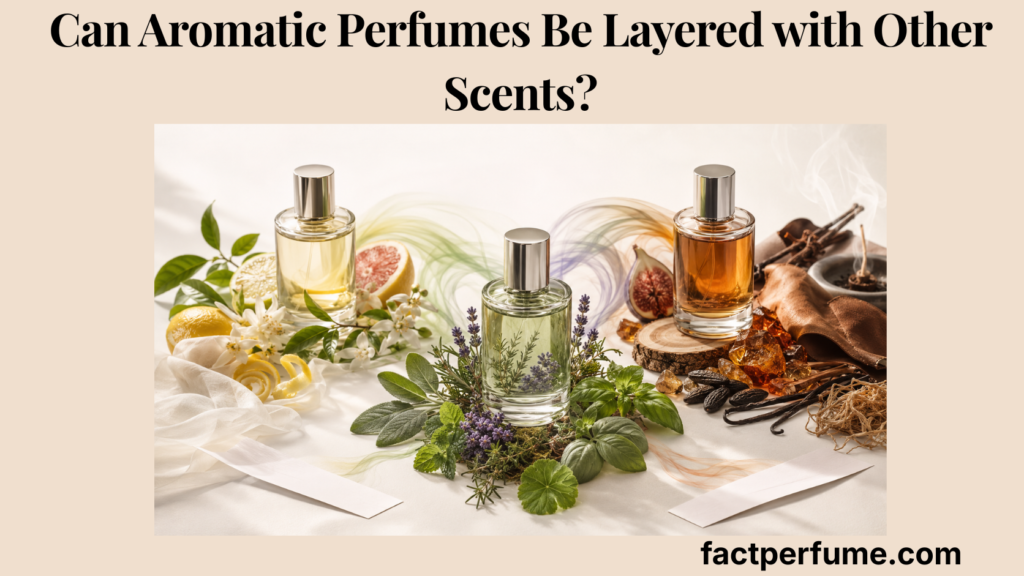
Can Aromatic Perfumes Be Layered with Other Scents? Yes, aromatic perfumes can often be layered with other finished scents, but the best result depends on the complete structures, projection, sweetness, density, application method, wearer, and environment. Aromatic fragrances may connect with citrus, florals, woods, musk, amber, tea, green scents, selected aquatic profiles, fruit, leather, or […]